
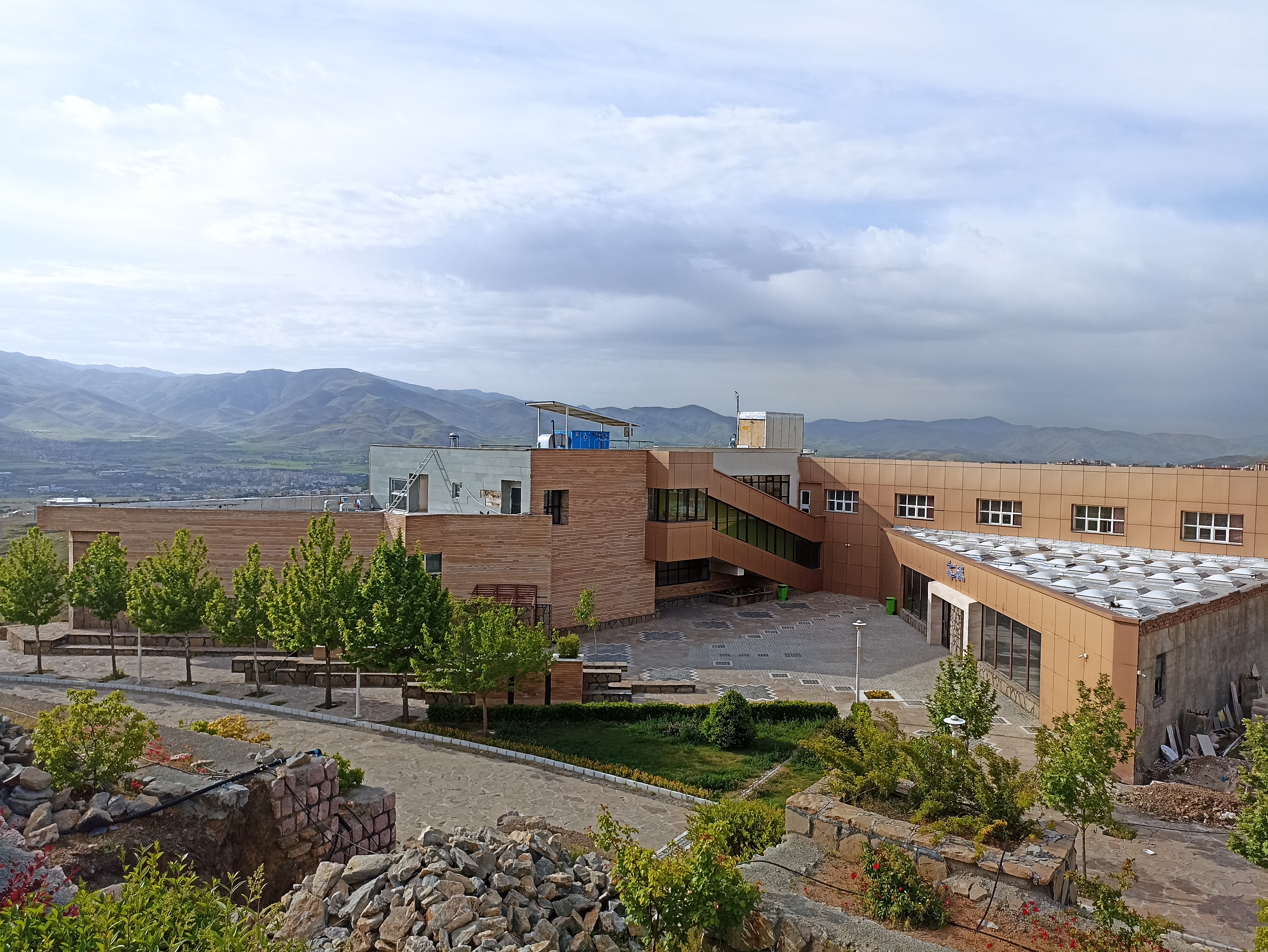
Introduction to the Faculty
The Faculty of Art and Architecture at the University of Kurdistan was established in 2013. As of October 2025, the faculty enrolls 1,014 students across five undergraduate departments: Architectural Engineering, Urban Planning Engineering, Music, Handicrafts, and Directing. At the graduate level, it offers four Master's programs: Urban Planning, Urban Design, Architecture-Architecture, and Architecture-Energy.
Historically, the Architecture program was part of the Faculty of Engineering and Technology from 1999, with the Urban Planning program being added in 2006. Since 2019, the faculty has also admitted students to its Ph.D. program in Urban Planning, which currently has 23 doctoral candidates.
In line with its academic expansion goals, the faculty has been laying the groundwork since 2019 to launch new programs in Archaeology, Smart Cities, and Television & Digital Arts, and has initiated the faculty recruitment process for these fields.
The vision of the Faculty of Art and Architecture is to serve as a vital link between the university and the community within the province, while also establishing itself as a distinguished scientific and artistic hub at the national and regional levels.
Among the faculty's notable achievements is the publication of the Journal of Urban Studies (ISC), a scientific-research periodical launched in 2018. It holds a Q1 ranking and is rated first among journals in the field of urbanism. Another significant accomplishment is the establishment of the "Scientific Hub for Urban Improvement and Regeneration," which commenced its activities in early 2019 and operates from a dedicated space within the faculty.
In the academic year 2025, the faculty is staffed by 23 full-time tenured or tenure-track academic members, including one professor, five associate professors, nine assistant professors, and eight instructors. The student body of 1,014 comprises 775 undergraduate students, 212 master's students, and 26 doctoral candidates.
The Faculty of Art and Architecture has successfully signed memoranda of understanding with various organizations and institutions. Key collaborations include agreements with the University of Copenhagen in Denmark, the Kurdistan Provincial Cultural Heritage Organization, and the Kurdistan Provincial Art Bureau.
The faculty's building was designed in two phases. Phase one has been operational since 2013, while phase two is currently in the administrative and preliminary planning stages, with construction contingent upon securing the necessary funding.


