
An inspection delegation from the Ministry of Science, Research, and Technology conducted a two-day visit to the University of Kurdistan, inspecting welfare and educational infrastructure and holding candid meetings with various university bodies to discuss professional demands and concerns. The visit aimed to review macro-level policies and convey critiques to the Minister.
University of Kurdistan Hosts Ministry of Science Inspection Delegation; Candid Review of Professional Demands and Critique of Centralized Policies
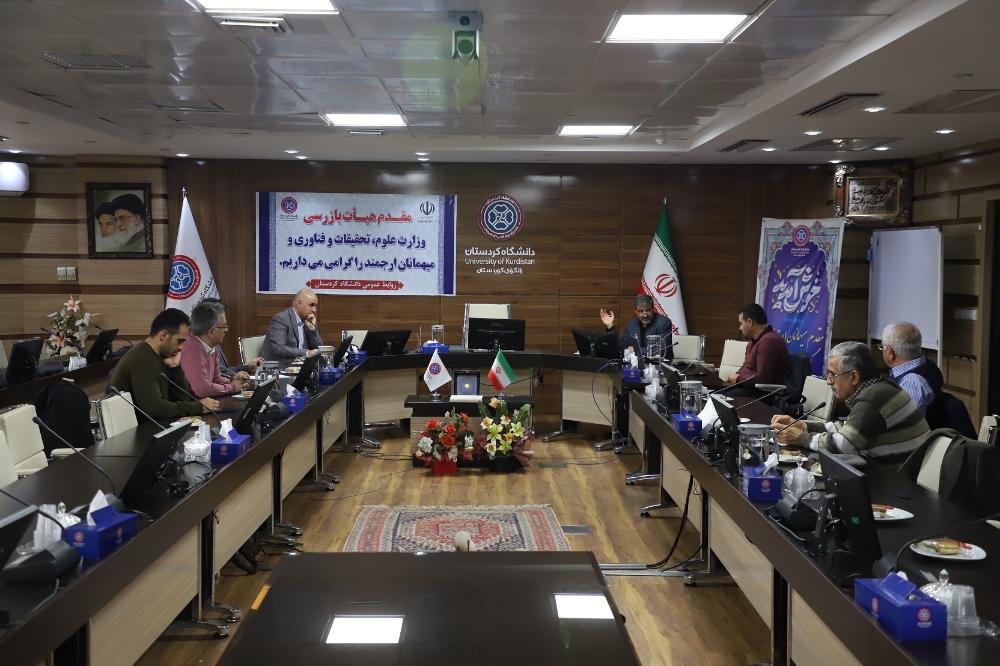



According to the Public Relations Office of the University of Kurdistan, the delegation was present on December 7th and 8th, 2025, to fulfill its supervisory duties and gain insight into the demands of the academic community. The delegation engaged in intensive meetings with students, faculty, staff, and the university's board of directors to examine existing challenges and critique current policies.
Visit to Fereshtegan Dormitory: Hearing the Unfiltered Voice of Students
The visit began with an inspection of the "Fereshtegan" student dormitory, where the delegation assessed the condition of facilities and the quality of student life firsthand. In these meetings, students voiced their concerns regarding inadequate welfare facilities, the need for regulatory reforms, enhancing collective vitality, and improving staff-student interactions.
Meeting with the Board of Directors: Serious Critique of Budget and Centralization
On the second day, a joint meeting was held with the university's senior management. The President of the University of Kurdistan criticized the university's low share of the national budget, stating, "The University of Kurdistan's capacity for generating dedicated income and research funding does not match that of its peer universities." He also identified the "local recruitment" policy as a factor in reducing funds and exacerbating poverty in the region, and criticized the poor living conditions of academics and the difficulty in getting new academic programs approved. Subsequently, the university's vice presidents detailed challenges in their respective areas, including outdated laboratory equipment, excessive centralization at the ministry, overcrowding in dormitories, and flaws in human resources planning documents.
Professional Demands: From Academic Ethics to Job Security
In separate meetings with the faculty and staff councils, welfare challenges were presented as a threat to scientific achievements. The faculty council criticized the diminished role of the university in major decision-making processes and warned against linking salary increases to the number of publications, which undermines academic ethics. The staff council presented its demands, focusing on facilitating the conversion of contract employees to permanent status, stability in employment regulations, and the need for regulations tailored to the local conditions of each university.
The inspection delegation concluded by affirming that all reports and critiques would be conveyed to the Minister for review in formulating new policies and programs.


Quick Links
Electronic Services
Useful Links


University of Kurdistan, Pasdaran Boulevard, Sanandaj, Iran

Postal Code: 6617715175

Phone: +988733664600-8

Email: info@uok.ac.ir


site visit
- today:
- yesterday:
- all:
Last Update
16 Dec 2025 - 05:11:14